
Keynotes
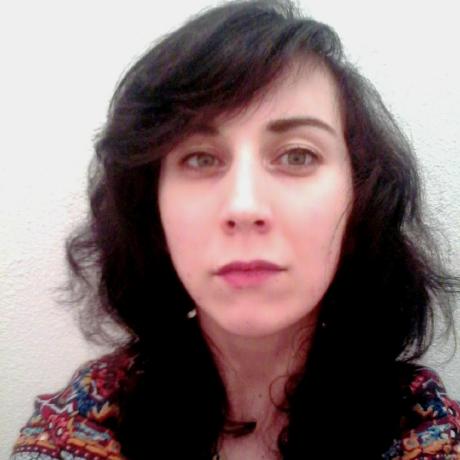 Camille Marchet CNRS |
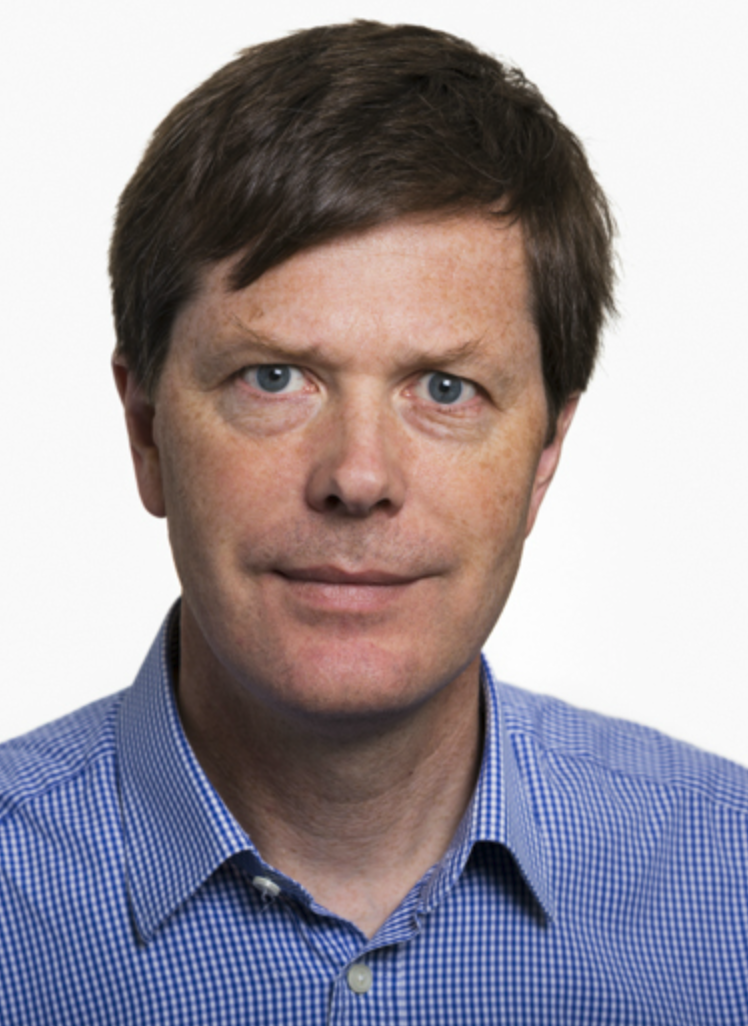 Richard Durbin University of Cambridge |
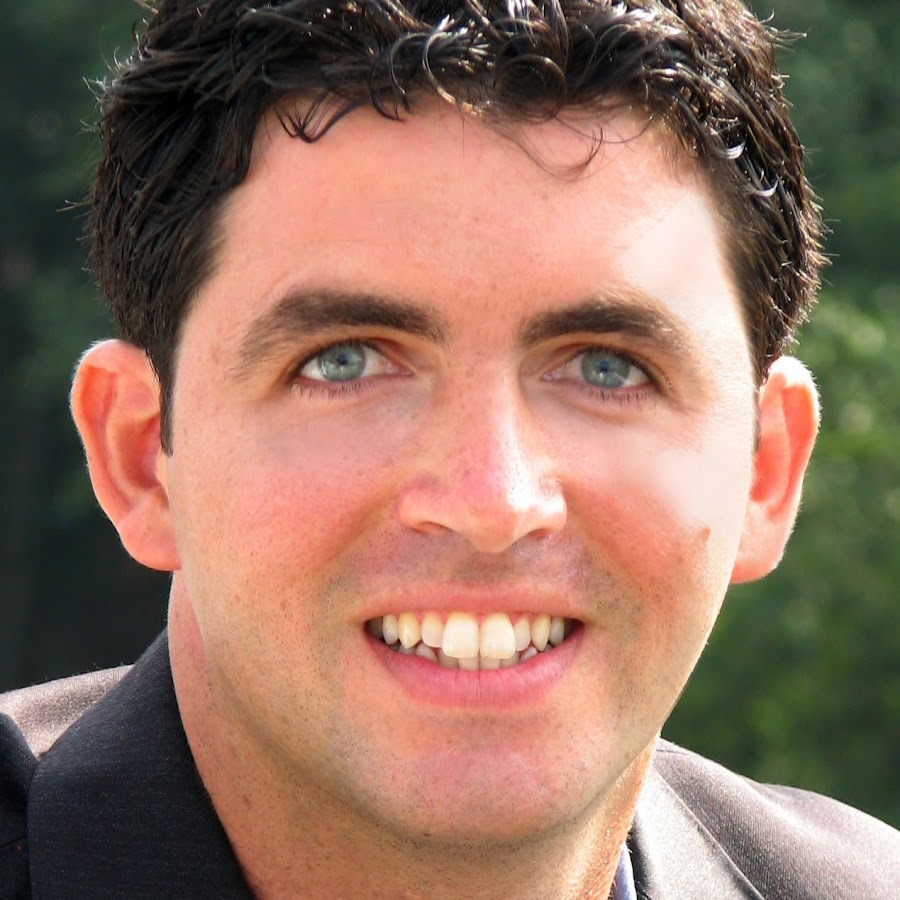 Manolis Kellis MIT |
Camille Marchet
CNRS
“Beyond reference sequences: algorithms for the next generation of sequence collections”
The last decade has seen biological sequence databases grow from scarce, curated references into vast, heterogeneous collections spanning thousands of samples. This shift demands fundamentally new algorithmic approaches to store, index, and query sequence data at scale. In this talk, I will show how k-mer-based data structures provide a framework to aggregate and interrogate large collections of genomic and transcriptomic datasets. I will describe recent transformation of data structures to support k-mer presence and abundance across numerous samples. I will then discuss how these methods translate to metadata-aware queries with applications to pangenome annotation. Finally, I will illustrate the biological impact of this work on clinical use cases, including the discovery of aberrant RNA isoforms in acute myeloid leukemia that reduce subtype identification time from three weeks to one day. I will close with open algorithmic challenges at the intersection of k-mer indexing and relational databases.
Camille Marchet is a computational bioinformatics researcher and CNRS research associate in the BONSAI team at the CRIStAL lab, Université de Lille, France. She develops scalable algorithms and data structures for sequence analysis, with a focus on indexing and querying large collections of sequencing data and methods tailored to RNA-seq and other next-generation sequencing applications. Marchet received her BSc degree in Bioinformatics from INSA Lyon, a MSc in Ecology and Evolution from Université Claude Bernard Lyon 1, and completed her PhD in Computer Science at the University of Rennes in 2018, where she worked on de novo transcriptome analysis methods. After postdoctoral work in the BONSAI team, she joined CNRS as a research associate, contributing to projects on transcriptome encyclopedias and large-scale sequence indexing. Her research spans foundational data structures for k-mer sets, scalable sequence search, and efficient representation of sequencing datasets, and continues to drive methodological advances in computational genomics.
Richard Durbin
University of Cambridge
“New scalable approaches to pangenome construction and repeat analysis in the era of diversity genomics”
Richard Durbin is the Al-Kindi Professor of Genetics in the Department of Genetics at the University of Cambridge, and an associate faculty member of the Wellcome Sanger Institute. His research spans algorithms for biological sequence analysis, population and statistical genetics, and pangenomics. He has played a leading role in many of the field’s defining projects: he co-led the 1000 Genomes Project, contributed to the Human Genome Project, and helped establish the Ensembl genome browser, the Pfam protein families database, the TreeFam database of animal gene families, and the ACeDB database for C. elegans. His algorithmic contributions include the positional Burrows–Wheeler Transform (PBWT) for haplotype data and, more recently, GBWT-based data structures for scalable pangenome representation. He is co-author of “Biological Sequence Analysis: Probabilistic Models of Proteins and Nucleic Acids” (Cambridge University Press, 1998), the standard graduate text in the field, which has shaped the training of generations of computational biologists. He was elected a Fellow of the Royal Society in 2004 and a member of EMBO in 2009, was named a Fellow of the International Society for Computational Biology in 2011, and received the Royal Society’s Gabor Medal in 2017. His former students and postdocs hold faculty and leadership positions at institutions including the Wellcome Sanger Institute, EMBL-EBI, Harvard Medical School, and others. He completed his PhD with John Graham White at the MRC Laboratory of Molecular Biology in Cambridge, working on the reconstruction of the C. elegans nervous system.
Manolis Kellis
MIT
“From Genomics to Therapeutics: Single-cell Circuitry and Rewiring in Alzheimer’s, Schizophrenia, Obesity, Cancer.”
Manolis Kellis is a professor of computer science at MIT, a member of the Broad Institute of MIT and Harvard, a principal investigator of the Computer Science and Artificial Intelligence Lab at MIT, and head of the MIT Computational Biology Group (compbio.mit.edu). His research includes disease circuitry, genetics, genomics, epigenomics, coding genes, non-coding RNAs, regulatory genomics, and comparative genomics, applied to Alzheimer’s Disease, Obesity, Schizophrenia, Cardiac Disorders, Cancer, and Immune Disorders, and multiple other disorders. He has led several large-scale genomics projects, including the Roadmap Epigenomics project, the ENCODE project, the Genotype Tissue-Expression (GTEx) project, and comparative genomics projects in mammals, flies, and yeasts. He received the US Presidential Early Career Award in Science and Engineering (PECASE) by US President Barack Obama, the Mendel Medal for Outstanding Achievements in Science, the NIH Director’s Transformative Research Award, the Boston Patent Law Association award, the NSF CAREER award, the Alfred P. Sloan Fellowship, the Technology Review TR35 recognition, the AIT Niki Award, and the Sprowls award for the best Ph.D. thesis in computer science at MIT. He has authored over 325 journal publications cited 200,000 times. He has obtained more than 20 multi-year grants from the NIH, and his trainees hold faculty positions at Stanford, Harvard, CMU, McGill, Johns Hopkins, UCLA, and other top universities. He lived in Greece and France before moving to the US, and he studied and conducted research at MIT, the Xerox Palo Alto Research Center, and the Cold Spring Harbor Lab. For more info, see: compbio.mit.edu